
The Ultimate Online Candy Store: Since 2007
From nostalgic treats to new favorites, enjoy unmatched quality and value in every purchase.
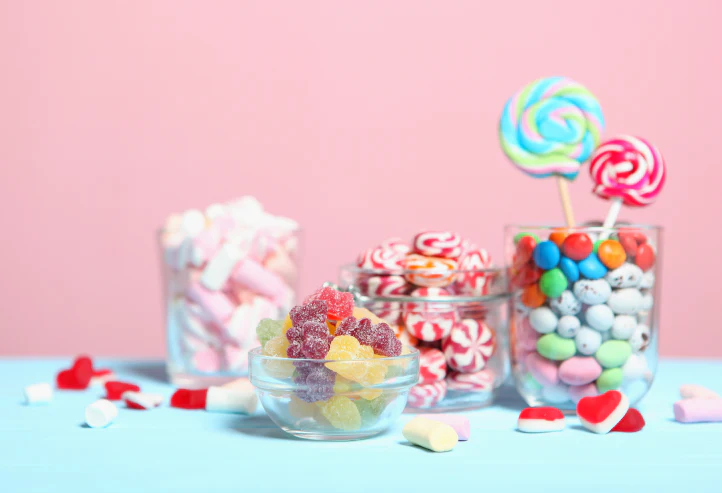

Classic Recommendation.
The Irresistible Alchemy of Sugar: A Journey Through the World of Confectionery
There are few objects in the world that possess the universal, immediate, and utterly joyful appeal of a piece of confectionery. From the simple, granular crunch of a rock candy to the complex, melting embrace of a perfectly tempered chocolate truffle, sweets hold a singular place in the human experience, transcending age, culture, and geography. To speak of this culinary category is to embark on a journey that begins not in a modern factory, but in ancient history, tracing the slow, fascinating evolution of a pleasure that began as a medicinal rarity and transformed into a pervasive, everyday delight. It is a story of alchemy, science, human ingenuity, and an unwavering desire to tap into the primal joy of sweetness, a taste wired deep into our biology as a signal of safety and energy.
The earliest forms of what we now recognize as candy were far removed from the brightly packaged treats of today. They were concoctions crafted by ancient Egyptians, Romans, and Chinese, who used honey, the original refined sugar, to preserve fruits and nuts or to create lozenges meant to soothe the throat. Spices like ginger, cardamom, and anise were often mixed in, blurring the lines between medicinal remedy, ceremonial offering, and simple treat. The true revolution, however, came with the cultivation and refinement of sugarcane. While cane was known in India thousands of years ago, it was the Arab world in the Middle Ages that perfected the art of crystallizing sugar, transforming a sticky liquid into a transportable, durable, and highly valuable commodity. This granulated white gold flowed along ancient trade routes, reaching Europe where it remained a luxury item, affordable only to the elite and often kept locked away by apothecaries, who used it to make what were literally “sweet medicines”—the precursors to modern hard candies. These early sweets were symbols of status and power, a testament to the global reach required to bring such a exotic, precious ingredient to the royal tables of Europe. The very word “candy” itself is believed to derive from the Arabic word “qandi,” meaning something made of sugar.
The true democratization of the confectionery world began with the Industrial Revolution. New technologies, particularly steam power and improved grinding methods, dramatically reduced the cost of refining sugar. Suddenly, this once-exclusive luxury became accessible to the masses. This era saw the birth of iconic, enduring forms of candy: the mass production of chocolate in solid bar form, the invention of rolling machines for stick candy, and the creation of large-scale equipment for making boiled sweets and lozenges. This was a golden age of innovation, where entrepreneurs and chemists alike experimented with flavors, textures, and colors, turning simple sugar into an art form. The penny candy store became a cultural fixture, a place of wonder and small, affordable luxury for children and adults, marking a profound shift in social history where a small piece of joy was placed within everyone’s grasp. This new accessibility cemented the relationship between confectionery and celebration, firmly establishing sweets as staples of holidays, birthday parties, and movie outings.
Beyond the historical narrative, the appeal of these sugary creations is deeply rooted in human psychology. The taste of sweetness triggers a complex, pleasurable response in the brain, stimulating the release of endorphins and dopamine, the “feel-good” neurotransmitters. This innate preference is biological; for early humans, sweetness indicated a safe, high-energy food source. Today, this response provides a quick, comforting boost, making confectionery a go-to for emotional regulation, a small reward for a job well done, or a comforting ritual at the end of a stressful day. The packaging and presentation further enhance this psychological appeal. Bright colors, whimsical shapes, and the crinkle of cellophane all contribute to a sensory experience that primes the brain for pleasure. The act of unwrapping a piece of candy is itself a small, anticipatory ritual that heightens the final reward, connecting the sensory experience of the hand, the eye, and the mouth in a moment of pure, focused gratification. This connection is not just about the sugar rush; it’s about the feeling of delight and the nostalgia it evokes, often transporting us back to simpler, carefree moments of childhood.
The world of confectionery is incredibly diverse, categorized by texture and structure, each type offering a distinct experience. Hard candies—such as lollipops, jawbreakers, and butterscotch—rely on a simple structure of highly concentrated, boiled sugar. Their appeal is in the sustained experience they offer; they are meant to be savored slowly, dissolving gradually on the tongue. This longevity makes them a comforting companion, a quiet, sustained burst of flavor. On the other end of the spectrum are the chewy candies, a broad category that includes taffy, caramels, and gummies. These require more complex processes involving ingredients like gelatin, corn syrup, and milk, which alter the crystallization process to create elasticity and resistance. The tactile experience of chewing is central to their pleasure, providing a satisfying resistance that releases flavor over time. Then there are the fondants and creams, the soft-centered delights often found in bonbons and filled chocolates. These are created through a process called “grain separation,” where a high concentration of very fine sugar crystals is suspended in a saturated syrup, resulting in a smooth, melt-in-your-mouth texture that is the epitome of indulgence.
The crowning glory of the confectionery world, of course, is chocolate. This derived treat, which uses the bitter, fatty cocoa bean as its base, represents the highest form of the confectioner’s art. It is a product of fermentation, roasting, grinding, and, crucially, conching—a process of heating and mixing that develops the flavor and smooth texture. The difference between a simple cocoa powder and a fine eating chocolate lies in the ratio of cocoa solids, cocoa butter, and added sugar. Dark varieties prioritize the complex, often fruity, earthy, or nutty notes of the bean, while milk varieties balance this intensity with the creamy richness of dairy. The art of the chocolatier is one of balance and precision, mastering the temper of the cocoa butter to achieve that perfect snap and smooth melt that defines a superior product. This mastery has elevated the treat far beyond simple candy, making it a subject of connoisseurship, akin to fine wine or specialty coffee. It is a cultural phenomenon that has spawned countless rituals and traditions, from gifting heart-shaped boxes to sipping rich, molten beverages.
Looking towards the future, the confectionery industry is navigating a fascinating path, balancing tradition with a growing public consciousness about health and sustainability. There is an increasing demand for “better-for-you” sweets, leading to innovations with natural sweeteners, fruit-based purees, and lower-sugar formulations. Confectioners are experimenting with ingredients like allulose, stevia, and monk fruit to capture the beloved taste of sugar without the caloric load, aiming to provide guilt-free indulgence. Simultaneously, the focus on artisanal and craft techniques is resurfacing. Small-batch candy makers are emphasizing transparency, ethical sourcing of ingredients, and unique, complex flavor profiles, moving away from purely synthetic ingredients towards natural extracts and botanicals. This shift reflects a broader consumer trend toward quality over quantity, turning the purchase of confectionery back into an appreciative, discerning act rather than a simple impulse buy. The history of confectionery is, at its heart, the story of finding joy in small, sweet moments, and as the industry evolves, it continues its timeless mission: to delight the senses and provide a brief, beautiful escape into the pure, sweet joy of the present moment. This enduring tradition, rooted in ancient honey preserves and perfected through centuries of scientific refinement, ensures that the irresistible alchemy of sugar will continue to captivate and comfort generations to come, forever holding a special, sweet spot in the tapestry of human existence.
Trusted by Leading Brands




Popular Categories


Best Sellers
Sale!
Best Sellers
Original price was: $31.99.$9.60Current price is: $9.60.
Sale!
Best Sellers
Original price was: $33.99.$10.20Current price is: $10.20.
Sale!
Best Sellers
Original price was: $51.99.$15.60Current price is: $15.60.
Sale!

Best Sellers
Original price was: $99.99.$30.00Current price is: $30.00.
Sale!

Best Sellers
Original price was: $96.99.$29.10Current price is: $29.10.
Sale!
Best Sellers
Original price was: $68.99.$20.70Current price is: $20.70.
Shop By Brand




Individually Wrapped Candies
Sale!

By Occasion
Original price was: $217.99.$65.40Current price is: $65.40.
Sale!
By Occasion
Original price was: $232.99.$69.90Current price is: $69.90.
Sale!
By Occasion
Original price was: $49.99.$15.00Current price is: $15.00.
Sale!
By Occasion
Original price was: $173.99.$52.20Current price is: $52.20.
Sale!
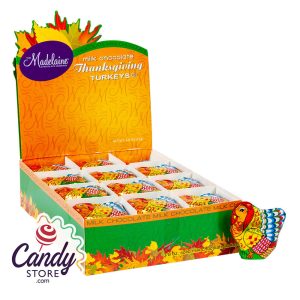
Original price was: $95.99.$28.80Current price is: $28.80.
Sale!
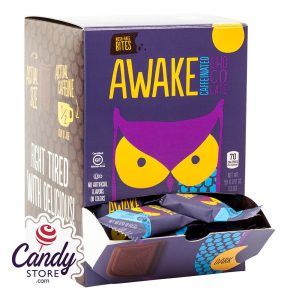
By Occasion
Original price was: $59.99.$18.00Current price is: $18.00.
Popular Candy Types
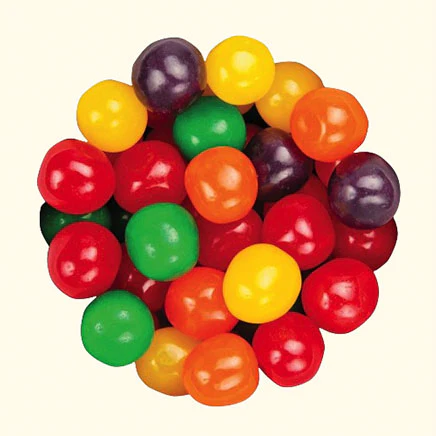
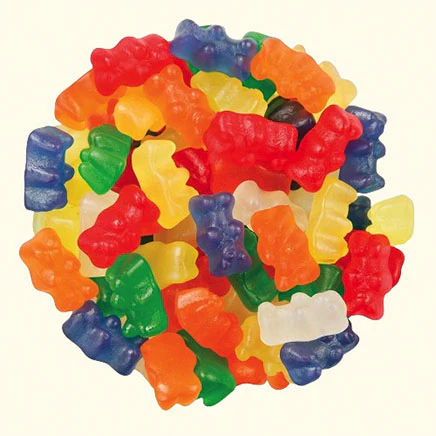
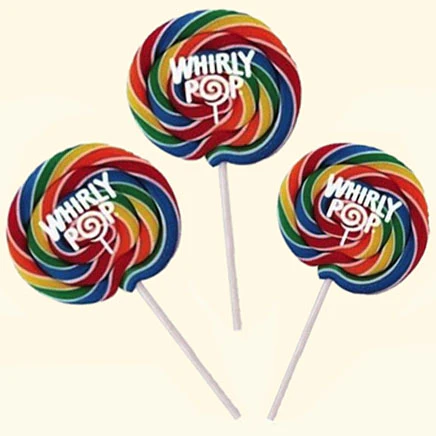

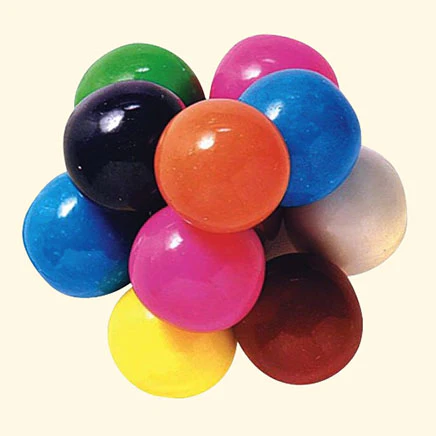

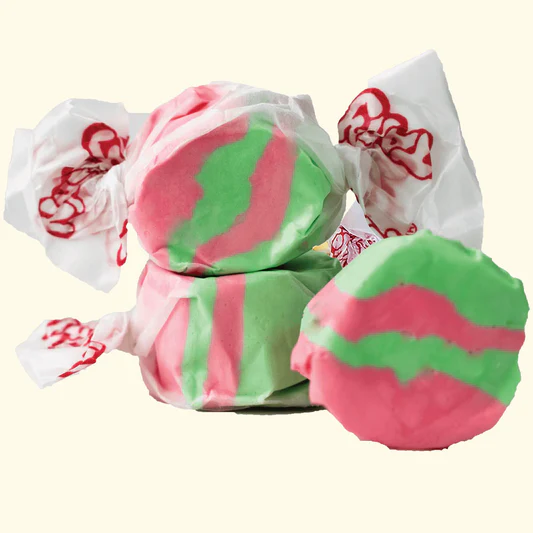
Salt Water Taffy
Sale!
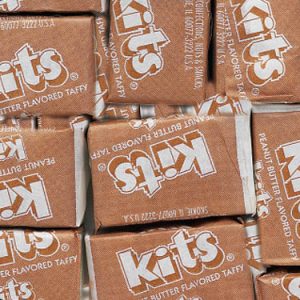
By Candy Type
Original price was: $114.99.$34.50Current price is: $34.50.
Sale!
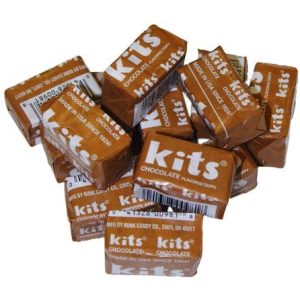
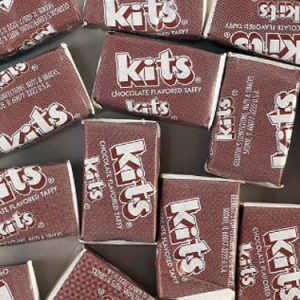
By Candy Type
Original price was: $114.99.$34.50Current price is: $34.50.
Sale!
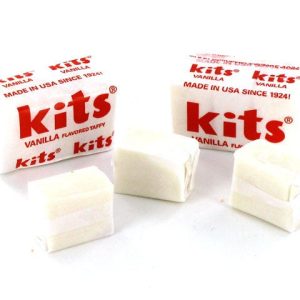
By Candy Type
Original price was: $114.99.$34.50Current price is: $34.50.
Sale!
By Candy Type
Original price was: $21.99.$6.60Current price is: $6.60.
Sale!
By Candy Type
Original price was: $79.99.$24.00Current price is: $24.00.
Sale!
By Candy Type
Original price was: $11.99.$3.60Current price is: $3.60.
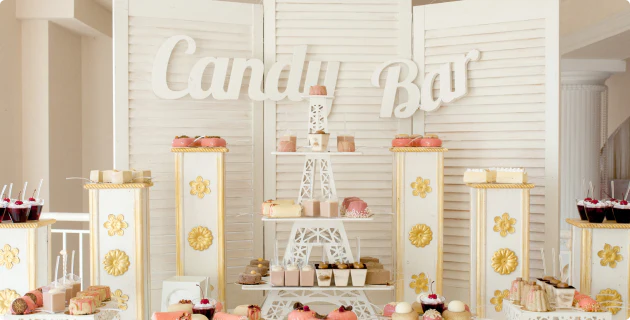
Find the Perfect Candies for Your Themed Event Here!
A spectrum of sweets for any event style.
Serving your candy needs since 2007
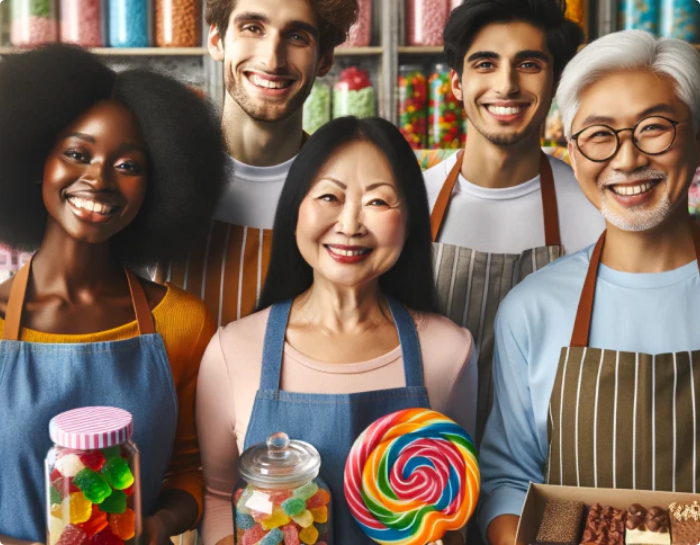
CandyStore.com, originally ‘A Candy Store,’ has been delighting customers with our wide array of bulk candies. From nostalgic favorites to treats for corporate clients, our selection caters to every need and budget.
Whether it’s for a grand candy buffet, a special gift, or a personal treat, we’re here to satisfy your sweet cravings with quality and care. Trust in our years of service to bring joy to every candy lover.